What is Tuberculosis?
Tuberculosis, often called TB, is a serious infection caused by bacteria. It mainly affects the lungs, but it can also harm other parts of the body. Many people do not know they have tuberculosis at first. However, early detection and treatment can help prevent serious health problems. According to the World Health Organization (WHO), tuberculosis is one of the top infectious diseases worldwide.
Common Symptoms of Tuberculosis
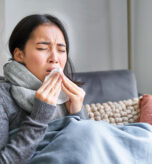
It is important to know the signs of tuberculosis. Sometimes, symptoms are mild and easy to miss. But as the disease gets worse, symptoms become clearer. Early treatment can stop the spread of TB.Persistent cough lasting more than three weeksCoughing up blood or mucusChest pain, especially when breathing or coughingUnexplained weight lossFever and chillsNight sweatsFeeling tired or weakLoss of appetite
Sometimes, tuberculosis can affect other organs. In these cases, symptoms depend on the area involved. For example, TB in the kidneys may cause blood in urine.
Causes and Risk Factors
Tuberculosis spreads through the air when a person with active TB coughs, sneezes, or talks. You can breathe in the bacteria and become infected. However, not everyone who gets the bacteria will get sick right away. Some people have what is called latent TB, which means the bacteria are in the body but not causing symptoms.
Several factors can increase your risk of getting tuberculosis:Close contact with someone who has active TBWeakened immune system (for example, from HIV, diabetes, or certain medicines)Poor nutrition or living in crowded placesTraveling to or living in areas with high TB ratesYoung children and older adults are at higher risk
Because TB spreads easily in crowded places, it is important to take steps to protect yourself and others.
How Tuberculosis is Diagnosed
If you have signs of tuberculosis, your doctor may suggest tests to confirm TB diagnosis. Early diagnosis helps prevent the spread of the disease. Here are some common ways doctors check for tuberculosis:Skin test: A small amount of fluid is injected under your skin. If you have TB bacteria, your skin will react.Blood tests: These tests can show if you have TB bacteria in your body.Chest X-ray: This helps doctors see if there is damage or infection in your lungs.Sputum test: You cough up mucus, which is tested for TB bacteria.
Sometimes, more tests are needed if TB is suspected in other parts of the body.
Treatment Options for Tuberculosis
Tuberculosis treatment usually involves taking several medicines for at least six months. It is very important to take all the medicine as prescribed, even if you start to feel better. Stopping treatment early can make the bacteria stronger and harder to treat.
Common medicines for tuberculosis include:IsoniazidRifampinEthambutolPyrazinamide
Sometimes, doctors may change the medicines if the bacteria are resistant. In addition, people with latent TB may need fewer medicines for a shorter time. Your doctor will guide you through the best treatment plan for your situation.
Prevention Tips and Lifestyle Guidance
Preventing tuberculosis is possible with a few simple steps. If you know someone with active TB, you can help stop the spread. Here are some tips for preventing tuberculosis:Cover your mouth when coughing or sneezingWash your hands oftenStay in well-ventilated areasWear a mask if you are around someone with TBComplete your TB treatment if you are diagnosedGet the BCG vaccine if recommended in your country
Besides these steps, eating healthy foods and getting enough rest can help your body fight infection. If you have a weak immune system, talk to your doctor about extra ways to protect yourself.
When to See a Doctor
If you notice any signs of tuberculosis, such as a cough that will not go away, fever, or weight loss, you should see a doctor right away. Early diagnosis and treatment can prevent serious problems. Also, if you have been in close contact with someone who has TB, it is wise to get checked, even if you feel fine.
If you have symptoms or concerns about tuberculosis, consult a healthcare specialist at Jeevanjyoti Hospital for personalized advice.