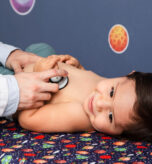
What is Congenital Cardiac Disease?
Congenital cardiac disease means a person is born with a problem in the heart’s structure. These heart defects in children can affect how blood flows through the heart and body. In fact, congenital cardiac disease is one of the most common birth defects globally. According to the Centers for Disease Control and Prevention (CDC), about 1 in every 100 babies is born with a heart defect. Because these conditions start before birth, early detection is important.
Common Symptoms
Symptoms of congenital cardiac disease can vary. Sometimes, signs appear soon after birth. Other times, they may show up later in childhood or even adulthood. However, knowing the symptoms helps families seek help early.Blue or pale skin, lips, or nails (called cyanosis)Fast or troubled breathingPoor feeding or slow weight gain in babiesSwelling in the legs, belly, or around the eyesGetting tired easily, especially during feeding or playFrequent lung infections
Although some children may not show clear symptoms, regular check-ups are still important.
Causes and Risk Factors
Doctors do not always know the exact cause of congenital cardiac disease. Still, several factors can raise the risk. For example, genetics play a role. If a parent or sibling has a heart defect, the chance is higher. In addition, certain conditions during pregnancy may increase risk.Family history of heart defectsMother’s health problems, like diabetes or infections during pregnancyUse of certain medicines or alcohol during pregnancyExposure to harmful substances, such as tobacco smokeChromosome changes, like Down syndrome
Because some risks can be managed, talking to a doctor before and during pregnancy is helpful.
How Congenital Cardiac Disease is Diagnosed
Early diagnosis of congenital cardiac disease leads to better outcomes. Doctors use several tests to find heart defects in children. First, a physical exam may reveal a heart murmur or other signs. Next, doctors may order special tests.Pulse oximetry: Measures oxygen in the bloodEchocardiogram: Uses sound waves to make pictures of the heartElectrocardiogram (ECG): Checks the heart’s rhythmChest X-ray: Shows the heart and lungsCardiac MRI or CT scan: Gives detailed images of the heart
Sometimes, doctors find heart defects before birth using prenatal ultrasound. Because early detection helps, regular check-ups are key.
Treatment Options
Treatment for congenital heart defects depends on the type and severity. Some mild defects may not need treatment. Others require medicine or procedures. Importantly, doctors work with families to choose the best plan.
Non-Interventional Approaches
Regular monitoring by a heart specialistMedicines to help the heart work betterSpecial diets or feeding support for babies
Interventional and Surgical Treatments
Cardiac catheterization: A thin tube fixes certain defects without open surgeryOpen-heart surgery: Repairs or replaces parts of the heartImplanting devices: Such as pacemakers for rhythm problems
Although treatment can seem scary, many children lead healthy lives after care.
Lifestyle Guidance for Patients and Families
Living with congenital cardiac disease can be challenging. However, many children and adults manage well with support. Families can help by following medical advice and making healthy choices.Attend all doctor visits and follow care plansGive medicines as prescribedEncourage gentle physical activity, as advised by the doctorEat a balanced dietWatch for signs of illness or changes in symptomsSeek emotional support for both the patient and family
Because support groups and counseling can help, families should not hesitate to ask for help.
Prevention and Early Detection
While not all cases can be prevented, some steps may lower the risk of congenital cardiac disease. For example, women planning pregnancy should see a doctor for a health check. During pregnancy, avoiding alcohol, tobacco, and harmful medicines is important. Managing health conditions like diabetes also helps.Get regular prenatal careTake prenatal vitamins with folic acidAvoid harmful substancesControl chronic health problemsDiscuss family history with your doctor
Because early detection leads to better care, newborn screening and regular check-ups are vital.
Frequently Asked Questions
Can congenital cardiac disease be cured?Some heart defects can be fixed with surgery or procedures. Others may need lifelong care.Is congenital cardiac disease always found at birth?No, some defects are found later in life, especially if symptoms are mild.Can children with heart defects live normal lives?Many children grow up healthy with proper treatment and care.Are all heart murmurs a sign of disease?No, some murmurs are harmless. However, a doctor should check any new murmur.
Consult a cardiologist or pediatric heart specialist at Jeevanjyoti Hospital for personalised advice and early intervention tailored to your heart health needs.