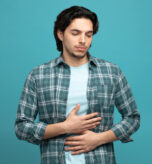
What Are Gall Stones?
Gall stones are small, hard pieces that form in the gallbladder. The gallbladder is a small organ under your liver. It stores bile, which helps digest fat. Sometimes, substances in bile can stick together and form stones. These stones can be as small as a grain of sand or as large as a golf ball. Gall stones are common, and many people do not know they have them. However, some people may develop symptoms that need medical care.
Common Symptoms of Gall Stones
Many people with gall stones have no symptoms. But, when a stone blocks a bile duct, symptoms can appear. Early signs often include:Pain in the upper right side of the bellyPain that spreads to the back or right shoulderNausea or vomitingIndigestion or bloating after mealsFever or chills (if infection occurs)Yellowing of the skin or eyes (jaundice)
Sometimes, pain starts suddenly and can last for several hours. If you notice these gall stones symptoms, you should seek medical help.
Causes and Risk Factors
Gall stones form when the balance of substances in bile changes. For example, too much cholesterol or bilirubin can lead to stones. Several factors can raise your risk:Being overweight or obeseEating a high-fat or high-cholesterol dietRapid weight lossBeing female, especially during pregnancyAge over 40Family history of gall stonesCertain health conditions, like diabetes
In addition, some medicines can increase your risk. Knowing these causes and risk factors can help you understand how to prevent gall stones.
How Gall Stones Are Diagnosed
Doctors use several tests to diagnose gall stones. First, they will ask about your symptoms and health history. Then, they may order tests such as:Ultrasound: This is the most common test. It uses sound waves to create pictures of your gallbladder.Blood tests: These can check for infection or signs of blocked bile ducts.CT scan or MRI: These tests can show stones and other problems in the belly.
With these tests, doctors can confirm a gall stones diagnosis and plan the best treatment.
Treatment Options for Gall Stones
Treatment depends on your symptoms and the size of the stones. If you have no symptoms, you may not need treatment. However, if you have pain or other problems, your doctor may suggest:Medications: Some medicines can help dissolve small stones, but this may take months or years.Surgery: Removing the gallbladder (cholecystectomy) is the most common treatment. This surgery is safe and often done with small cuts (laparoscopic surgery).Other procedures: In rare cases, doctors may use special tools to remove stones without surgery.
After treatment, most people recover well and have no further problems. Still, it is important to follow your doctor’s advice for gall stones treatment.
Prevention Tips and Lifestyle Guidance
While you cannot prevent all gall stones, you can lower your risk. Try these tips:Eat regular, balanced mealsMaintain a healthy weightLose weight slowly if neededChoose foods low in fat and cholesterolStay active with regular exercise
By making these changes, you can help prevent gall stones and improve your overall health. If you have questions about how to prevent gall stones, talk to your doctor.
When to See a Doctor
If you have sudden or severe belly pain, seek medical help right away. Also, see a doctor if you notice yellow skin or eyes, fever, or chills. These signs may mean you have a blocked duct or infection. Early treatment can prevent serious problems. Remember, regular check-ups can help catch gallstones early, even if you have no symptoms.
For personalized advice on gallstones, consult a healthcare specialist at Jeevanjyoti Hospital. Our expert team is here to guide you on the best steps to manage your health and prevent complications.